What to Expect If You’re Arrested: Booking Process and Bail Options
An arrest starts a process that can be confusing for defendants and families. This guide explains booking, release decisions, bail costs, and the paperwork that matters, with practical steps for protecting rights, verifying information, and preparing for court.
By Bail Bonds Magazine Staff
Oct 28, 2026 · 6 min read
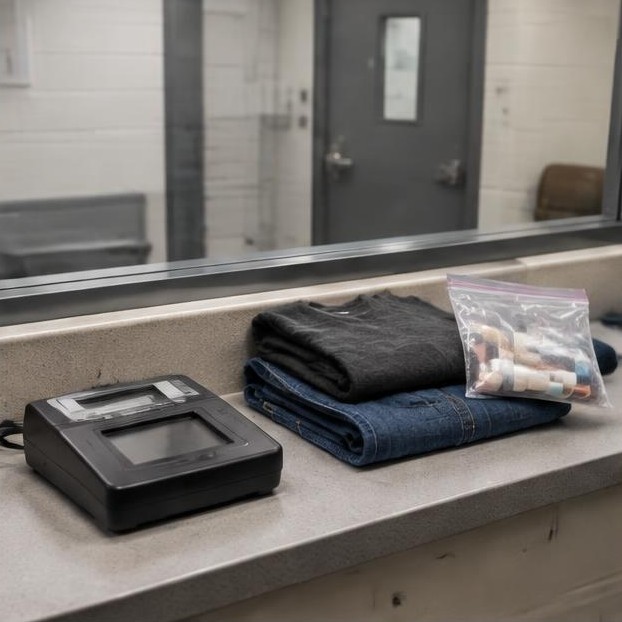
An arrest creates immediate questions: Where is the person being taken? Can someone call a lawyer? Will release be possible tonight? The answers depend on the jurisdiction, the alleged offense, any outstanding warrants or holds, and the decisions of jail staff and judicial officers. Booking and release are separate processes, and paying money does not necessarily resolve every barrier to release. For families, the most useful first steps are to verify the detention location, gather accurate identifying information, and avoid making financial commitments before understanding the available options. For the person arrested, priorities include requesting legal counsel, identifying urgent medical needs, and keeping track of paperwork. This guide explains the usual sequence without assuming that every jail or state follows the same rules.
From Arrest to Booking: What Usually Happens
After an arrest, a person may be taken to a police facility or jail for processing. Some cases allow citation and release rather than continued detention, depending on local law and circumstances. At intake, staff generally confirm identity, record the alleged charges, check for warrants, inventory personal property, and complete identification procedures such as photographs and fingerprints. Security screening and housing decisions may follow.
Medical screening is an important part of intake. A person should promptly tell staff about injuries, pregnancy, prescribed medication, serious health conditions, or a risk of withdrawal. Families with essential medical information should ask the facility how to communicate it to healthcare personnel. A relative bringing medication should not assume staff can accept or administer it without verification.
Booking can take time, particularly when identity, medical clearance, or records require additional review. An online jail search may not update immediately. Keep track of the facility name, booking number when available, and the source of any information received. None of those details, by themselves, establishes a release time.
Communication, Legal Counsel, and Family Coordination
An arrested person can clearly request an attorney and state that they wish to remain silent rather than discuss the alleged incident. Requirements to provide identifying information and procedures for obtaining counsel depend on the circumstances and applicable law. A lawyer can advise on questioning, release requests, and the next court appearance. Access to appointed counsel depends on eligibility and the applicable court process.
Do not assume that conversations with relatives are private. Ordinary jail calls and messages may be recorded or monitored; confidential attorney communication generally uses designated procedures. Family calls are best used for logistics, such as arranging childcare, locating counsel, and identifying the detention facility, rather than debating what happened.
Choose one family contact to reduce conflicting messages and repeated payments. That person can maintain a simple record of verified names, phone numbers, case identifiers, and receipts. Use official jail and court contact information where possible. Before sharing identification or financial documents with an agency, verify its license through the appropriate state regulator and ask how documents should be transmitted securely.
How Release Decisions Are Made
Release is not always a choice between paying bail and remaining in jail. Depending on state law and the case, a person may be released on recognizance, placed under pretrial supervision, required to meet nonfinancial conditions, or offered a financial release option. In some circumstances, detention may continue pending a judicial decision or further proceedings. A local bail schedule, where used, does not necessarily settle every eligibility question.
The first court appearance may address the charges, counsel, and release conditions, although the sequence and terminology vary. Defense counsel can identify relevant information, such as employment, housing, caregiving responsibilities, and the ability to comply with proposed conditions. Families should supply accurate documents rather than assume that any single fact guarantees release.
A separate warrant, another jurisdiction’s hold, or an unresolved administrative requirement can affect release even after a bond is accepted. Ask whether the person is eligible for release on the current case and whether any other holds are recorded. Federal court is different: it relies mainly on release conditions under the Bail Reform Act and does not use commercial bail bonds in the same way as participating state systems.
Understanding Bail Amounts, Premiums, and Collateral
The bail amount, a commercial bond premium, and collateral are different things. Where cash bail is available, someone may deposit the required amount with the court or another authorized office. Any eventual return is governed by local law, court orders, and applicable deductions. A commercial bail bond instead involves a licensed agent and surety providing a bond under an agreement, where state law permits that arrangement.
The premium is the charge for the bond service; it is not a deposit toward the court’s bail amount. Do not assume everyone pays the same rate. Permitted charges, approved rates, and payment arrangements vary by state and agreement. Premium refunds depend on approved terms and applicable law, so neither dismissal nor a quick release should be treated as an automatic refund trigger.
Collateral is property or money pledged separately to secure obligations under the agreement. Its handling and return are distinct from premium payments. California readers can consult the Department of Insurance’s bail overview at https://www.insurance.ca.gov/01-consumers/170-bail-bonds/. For broader differences, see the state-by-state guide at /bail-cost-by-state. Before signing, ask for the total charges, collateral requirements, payment schedule, and conditions governing each obligation.
Before Signing: Questions That Prevent Costly Confusion
Consider a hypothetical family arranging release late at night. One relative hears the bail amount, another receives a premium quote, and a third offers a vehicle as collateral. Without a shared written explanation, all three may believe they are paying for the same thing. A careful review separates the court’s requirement from the agency’s charges and the property securing the agreement.
A cosigner should understand what financial responsibility the contract creates, including any responsibility connected to nonappearance or authorized expenses. Ask who must sign, what documents are needed, and how collateral will be recorded and returned. If payments are financed, request all required terms and disclosures. A signature alone does not establish that every applicable consumer-financing notice requirement has been satisfied.
Get copies of completed agreements and receipts, and resolve blank fields or conflicting figures before signing. Ask what happens if the bond cannot be posted or release is blocked by another hold. Be cautious about guaranteed release times. An agent can explain its own processing steps, but cannot control every jail or court decision. Nonpayment collection and any lawful surrender authority are separate matters; arrest or surrender threats are not legitimate premium-collection tools.
After Release: Court Dates, Conditions, and Practical Next Steps
Release paperwork deserves attention before everyone leaves the facility or agency office. Confirm the next court date, location, case number, and any reporting or contact restrictions. Release conditions may affect travel, contact with particular people, or participation in supervision. A bond agreement may impose separate contractual obligations. Ask counsel to explain anything unclear rather than assuming an agency’s instructions replace the court’s order.
A missed appearance can lead to a warrant and financial consequences, but forfeiture is a legal process, not an automatic, identical countdown everywhere. In California, declaration, notice, potential relief or extension, and judgment are distinct stages governed by law. If an appearance is missed or becomes impossible, contact defense counsel promptly; notifying the bond agent does not itself excuse attendance.
The practical priorities are straightforward: verify detention and release information, seek legal advice, separate premium from collateral, and keep complete records. Arrange transportation, medication access, and a reliable calendar after release. Those ordinary logistics can help someone meet court obligations while the underlying case proceeds.
Prepared by Bail Bonds Magazine staff.
Get the Weekly Brief
More in this section

How Bail Bonds Work
A bail bond can help secure release without depositing the full bail amount, but it creates financial and court-related obligations. This guide explains premiums, collateral, cosigner responsibilities, release logistics, and what happens when a defendant misses a required appearance.
Bail Bonds Magazine Staff · Oct 30, 2026 · 6 min

How Much Does Bail Cost? State Costs and Federal Release Conditions
Bail costs depend on the court, the state, and how release is secured. Learn the difference between bail, bond premiums, and collateral, how federal release works, and what families should verify before paying an agency or posting money with a court.
Bail Bonds Magazine Staff · Oct 29, 2026 · 6 min

Will I Get My Bail Money Back? Cash Bail vs. Surety Bond
Whether bail money comes back depends on what you paid: cash deposited with a court, a bail bond premium, or collateral securing a bond. Learn how each works, what can delay repayment, and which records help protect your money.
Bail Bonds Magazine Staff · Oct 29, 2026 · 6 min