Will I Get My Bail Money Back? Cash Bail vs. Surety Bond
Whether bail money comes back depends on what you paid: cash deposited with a court, a bail bond premium, or collateral securing a bond. Learn how each works, what can delay repayment, and which records help protect your money.
By Bail Bonds Magazine Staff
Oct 29, 2026 · 6 min read
By Bail Bonds Magazine staff
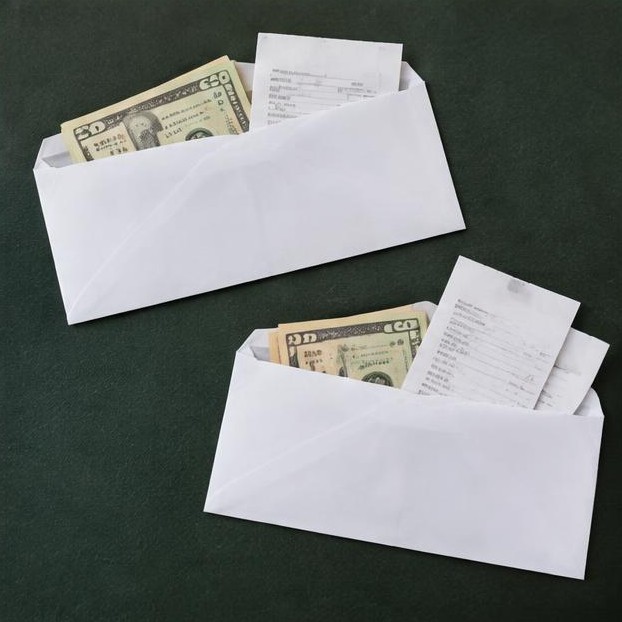
Whether you get bail money back depends on what the payment actually covered. Cash deposited with a court is different from the premium paid to a bail bond agency, and both are different from collateral securing a bond. Those distinctions matter when a family is gathering money quickly and expects everything to be returned after the case ends. The receipt, bond agreement, and court record—not simply the outcome of the criminal charge—help determine what happens next. State law and local court procedures also affect refunds, deductions, and release of security. Before paying, identify who will hold the money, what obligation it satisfies, and whose name will appear as the depositor or contracting party. That paperwork provides the starting point for any later refund request.
Three Payments That Have Different Purposes
The bail amount is the financial amount set or accepted by the court as part of the defendant’s release arrangement. When someone posts full cash bail, that money is held through the court’s designated process. Subject to applicable rules, it may become returnable when the bail obligation ends without an unresolved forfeiture. It is not a fee paid to a bail agency.
A surety bond works differently. A bail bond agency arranges a bond backed by a surety rather than requiring the family to deposit the full bail amount with the court. The customer pays a premium for that service. Premium is generally not returned simply because the defendant attends court, the charges are dismissed, or the case ends favorably. Refund eligibility depends on applicable law and approved contract terms.
Collateral is separate security, such as money or property pledged to protect against covered losses or obligations under the agreement. It is not automatically part of the premium. The California Department of Insurance explains these distinctions in its consumer bail overview: https://www.insurance.ca.gov/01-consumers/170-bail-bonds/. Other states have their own laws and practices; California’s framework should not be treated as a national rule.
When Cash Bail May Be Returned
With cash bail, the central question is whether the court has released the money from the bail obligation. The end of a case often prompts that process, but a family should not assume that dismissal, sentencing, or another disposition immediately produces a refund. The clerk may need an order, a completed refund form, confirmation of the depositor’s identity, or updated mailing information. Ask the court that holds the deposit what its process requires.
Who receives the refund also matters. A parent who supplied the funds may expect repayment, while the court’s receipt identifies someone else as the depositor. Third-party payment rules vary, and the source of the money alone may not resolve entitlement. Keep the original receipt and clarify ownership when posting bail, not months later when a refund is pending.
Depending on the jurisdiction and circumstances, authorized deductions or application of funds to other obligations may affect the amount returned. Do not assume every court may use a third party’s deposit for the defendant’s fines, or that no court may make deductions. Request an itemized explanation and the legal basis for any withholding. Court staff can explain administrative steps; disputed ownership or deductions may require legal advice.
Why a Bond Premium Usually Does Not Come Back
The premium pays for arranging and providing the surety bond, rather than serving as a refundable court deposit. A useful hypothetical illustrates the distinction: a relative pays an agency a premium, and the defendant’s charges are later dismissed. The dismissal does not, by itself, reverse the agency’s service or require the premium to be returned. The agreement and applicable law still govern.
That does not mean every payment labeled a premium is automatically nonrefundable in every circumstance. If a bond was never posted, a transaction was canceled, or the customer disputes how the payment was handled, the facts matter. Ask for a written explanation identifying the relevant contract provision and governing rule. Avoid relying on either a verbal promise that everything comes back or a blanket statement that refunds are impossible.
Premium rates, permitted charges, and financing arrangements vary by state. There is no universal rule that everyone pays the same percentage. Federal court bail also does not use commercial bail bonds in the same way; the federal system relies mainly on release conditions under the Bail Reform Act. For a broader comparison of commercial bail costs, consult Bail Bonds Magazine’s state-by-state guide at /bail-cost-by-state.
Collateral Should Be Tracked Separately
Collateral creates a second accounting question: when has the secured obligation ended, and what must happen to return the security? A customer may be entitled to recover collateral even though the premium remains earned. Conversely, the end of the criminal case may not settle every documented obligation secured under the agreement. Ask the agency to explain what remains outstanding and why it affects release of collateral.
In an illustrative transaction, a family pays a premium and separately provides a cash security deposit. The agency should identify each payment correctly in its records. When the bond obligation ends, the family needs a collateral accounting, not merely a statement that the premium is nonrefundable. Any proposed deduction should be supported by the agreement and applicable law, rather than an unexplained subtraction from the deposit.
Property collateral adds another practical step. Returning documents is not necessarily the same as releasing a recorded lien or other security interest. Ask what release instrument is needed, who prepares it, and how completion will be confirmed. Keep copies of collateral receipts, property documents, correspondence, and any final accounting until the release is verified.
Missed Court Dates Can Change the Outcome
A failure to appear can put cash bail or a surety bond at risk, but forfeiture is a legal process, not a single administrative event. In California, Penal Code sections 1305–1308 address distinct stages involving declaration of forfeiture, notice, opportunities for relief, possible extensions, and judgment. Those stages should not be collapsed into a universal countdown starting at the missed hearing. Other states use different procedures.
If a court date is missed, the defendant should contact defense counsel promptly, and the person who posted money should obtain accurate information about the bail status. A rescheduled appearance or later return to court does not necessarily resolve the financial issue without the required court action. Ask whether forfeiture was declared, what notices were issued, and whether relief has been requested or ordered.
For a surety bond, the indemnity agreement may also create financial exposure for the signer. Before accepting a demand for payment or a collateral deduction, request supporting records and an explanation of the contractual basis. An unpaid premium installment is a separate issue from a failure to appear. An agency should never threaten arrest or surrender as a tactic to collect premium.
Practical Steps to Protect Your Refund or Collateral
Start with a simple file containing the court receipt, bond contract, premium receipt, collateral agreement, financing documents, and proof of each payment. Record the case number and the names of the court and agency involved. When the case ends, ask the clerk for documentation showing the bail obligation’s status, then send any needed confirmation to the agency holding collateral.
Direct the request to the right place: the court or designated custodian for cash bail, and the agency for premium disputes or collateral release. Request a written status, an itemized accounting, and an explanation of anything still required. If the response remains unclear, consult an attorney or the state regulator overseeing bail agents; in California, that regulator is the Department of Insurance.
The practical takeaway is straightforward: identify the payment before asking whether it comes back. Cash bail may be refundable, premium usually is not, and collateral requires its own release and accounting. Clear records and verified court status are more useful than assumptions about what a favorable case outcome should mean.
Get the Weekly Brief
More in this section

How Bail Bonds Work
A bail bond can help secure release without depositing the full bail amount, but it creates financial and court-related obligations. This guide explains premiums, collateral, cosigner responsibilities, release logistics, and what happens when a defendant misses a required appearance.
Bail Bonds Magazine Staff · Oct 30, 2026 · 6 min
How Much Does Bail Cost? State Costs and Federal Release Conditions
Bail costs depend on the court, the state, and how release is secured. Learn the difference between bail, bond premiums, and collateral, how federal release works, and what families should verify before paying an agency or posting money with a court.
Bail Bonds Magazine Staff · Oct 29, 2026 · 6 min

What to Expect at a Bail Hearing
A bail hearing determines whether a person may leave custody while a criminal case proceeds and what conditions apply. Learn what judges consider, how families can prepare, what financial terms mean, and why a release order does not always mean immediate release.
Bail Bonds Magazine Staff · Oct 29, 2026 · 6 min